
How a Single Moment Could Push Modern Civilization to the Brink
The Day the Lights Never Came Back
The Day the Lights Never Came Back
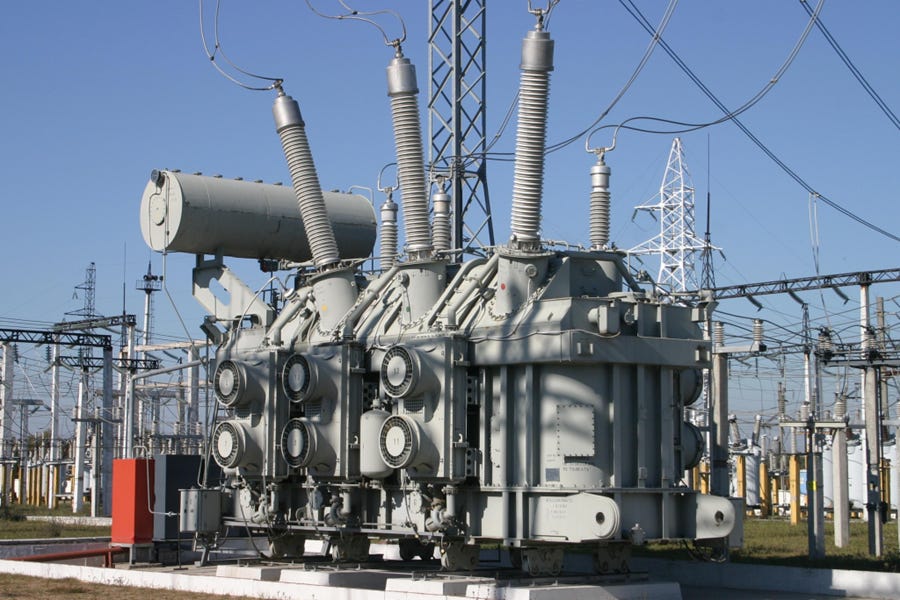
(Milan Adams, PreppGroup) - “Seventy percent of power transformers are 25 years or older, 60% of circuit breakers are 30 years or older, and 70% of transmission lines are 25 years or older.”
— ASCE 2025 Infrastructure Report Card
Modern civilization often feels permanent. We wake up, switch on the lights, check our phones, pour a cup of coffee, and assume that electricity, clean water, food deliveries, digital banking, emergency services, and global communications will continue functioning exactly as they did yesterday. The complexity behind these everyday conveniences is almost invisible, and perhaps that is why we rarely stop to consider how remarkably fragile they actually are. Every aspect of contemporary life depends upon an enormous web of interconnected systems that must operate continuously, every second of every day, without significant interruption. The moment one of these systems fails on a sufficiently large scale, the others begin to unravel with astonishing speed.
History teaches us that civilizations rarely disappear because of a single dramatic event. Most decline gradually through economic exhaustion, political instability, environmental pressures, or prolonged conflict. Yet modern civilization presents an entirely different paradox. Never before has humanity possessed so much technological sophistication while simultaneously becoming so dependent on a handful of critical infrastructures. The more advanced society becomes, the more catastrophic the…

What few understand is that TPTB will deliberately kill it for the peasants while retaining a separate system operating for themselves.