
Southern Music: After the Cannons Have Cooled
Southern music of the Confederacy did not speak in a single voice, and it never pretended to. It rallied when rallying was still possible. It protested when the grievance demanded a hearing.
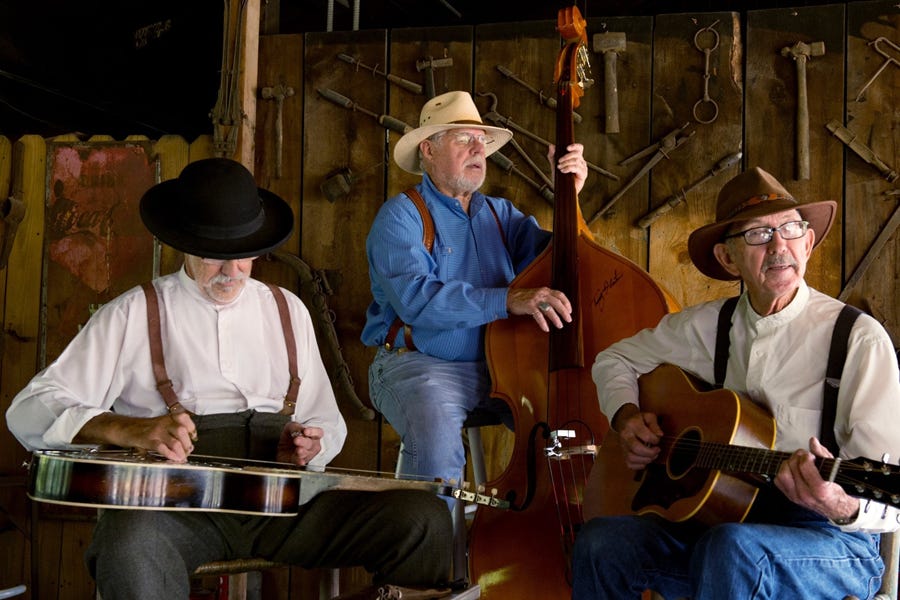
Southern music of the Confederacy did not speak in a single voice, and it never pretended to. It rallied when rallying was still possible. It protested when the grievance demanded a hearing.
(Tom Daniel, Abbeville Institute) - Southern music is not a single thing. It never has been. What we casually call Southern music is in reality a family of related musical responses to history — responses that look and sound similar on the surface but serve entirely different human purposes. A song written to send men to war is doing something fundamentally different from a song written to mourn the man who didn’t come home. A song that refuses to accept defeat is operating in a different emotional universe than one that simply remembers what defeat cost. Southern music understood these distinctions instinctively long before music scholars arrived to explain them.
The Civil War and its aftermath gave the South one of the richest and most emotionally complex musical catalogues in the history of any defeated people in the world. Across the sixty years that bracketed the four years of that conflict — from the first secession drums to the quiet resignation of Reconstruction’s survivors — Southern composers, poets, and ordinary folk singers produced songs that ran the full emotional spectrum of collective human experience. They wrote anthems to rally the faithful, protest songs to shame the oppressor, elegies for the individual dead, nostalgic songs for the world that was slipping away, myth-making songs that converted defeat into something closer to martyrdom, and finally, when all the arguing was done, songs of lament that simply accepted the permanent weight of what had been lost.
Each of these six categories serves a different function, emerges at a different moment in the life of a people under pressure, and carries a different…