
The Confederate Legacy Enters Public Culture
Confederate Memory, Public Heritage, and the Politics of Interpretation (1945–Present)
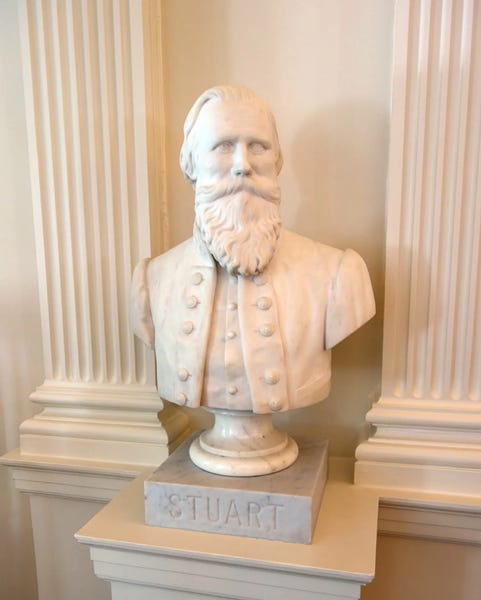
Confederate Memory, Public Heritage, and the Politics of Interpretation (1945–Present)
(This is Part Three of a Great Series by Owen Wright over at the Southern Academic Series. It is well worth the follow through link. While you’re there subscribe or follow. If you missed Part One or Two, go here… - DD)
(Owen Wright, Southern Academic Series) - By the middle of the 20th century, Confederate imagery had become deeply embedded within aspects of Southern public culture, tourism, literature, and historical preservation. For many Americans, particularly within Southern communities, Confederate symbols represented regional memory, ancestral remembrance, military history, and connections to local heritage.
Confederate references appeared throughout public and commercial life. Names associated with Confederate identity appeared in businesses, restaurants, hotels, and cultural institutions. Popular works such as Gone with the Wind contributed to a national image of the Old South, while historic attractions and preservation efforts presented Civil War history to generations of visitors. These examples demonstrate that Confederate memory existed not only as a political statement but also as part of a broader cultural landscape shaped by families, communities, and historical organizations.
Historic Preservation and the Principle of Context
The preservation movement in the United States developed from the belief that places and objects of historical significance should be protected because they provide direct connections to the past. Early preservation efforts, including the restoration of Mount Vernon, helped establish the principle that historical sites should be…
